How Hardscaping Can Help You Reclaim a Waterlogged Lawn
A waterlogged lawn is more than a seasonal inconvenience. Persistent pooling, muddy patches, and thinning grass can make outdoor spaces unusable while slowly damaging soil structure and nearby features. Many homeowners deal with soggy yards year after year without realizing the issue often lies below the surface rather than with routine maintenance. In many cases, strategic hardscaping offers a reliable way to correct these ongoing problems. Hardscaping provides a practical and long-lasting approach to water management. By introducing structural elements such as retaining walls, walkways, patios, drainage channels, and permeable surfaces, hardscaping reshapes how water moves across your property. Instead of fighting excess moisture, homeowners can redirect and manage it in a controlled, visually appealing way through well-planned hardscaping solutions. Understanding the causes of a waterlogged lawn is the first step toward reclaiming it. Soil composition, drainage limitations, land slope, and climate all play a role. When these factors are addressed through thoughtful hardscaping design, unusable yards can become functional, durable outdoor spaces.
Understanding the Causes of a Waterlogged Lawn
Poor Drainage Systems
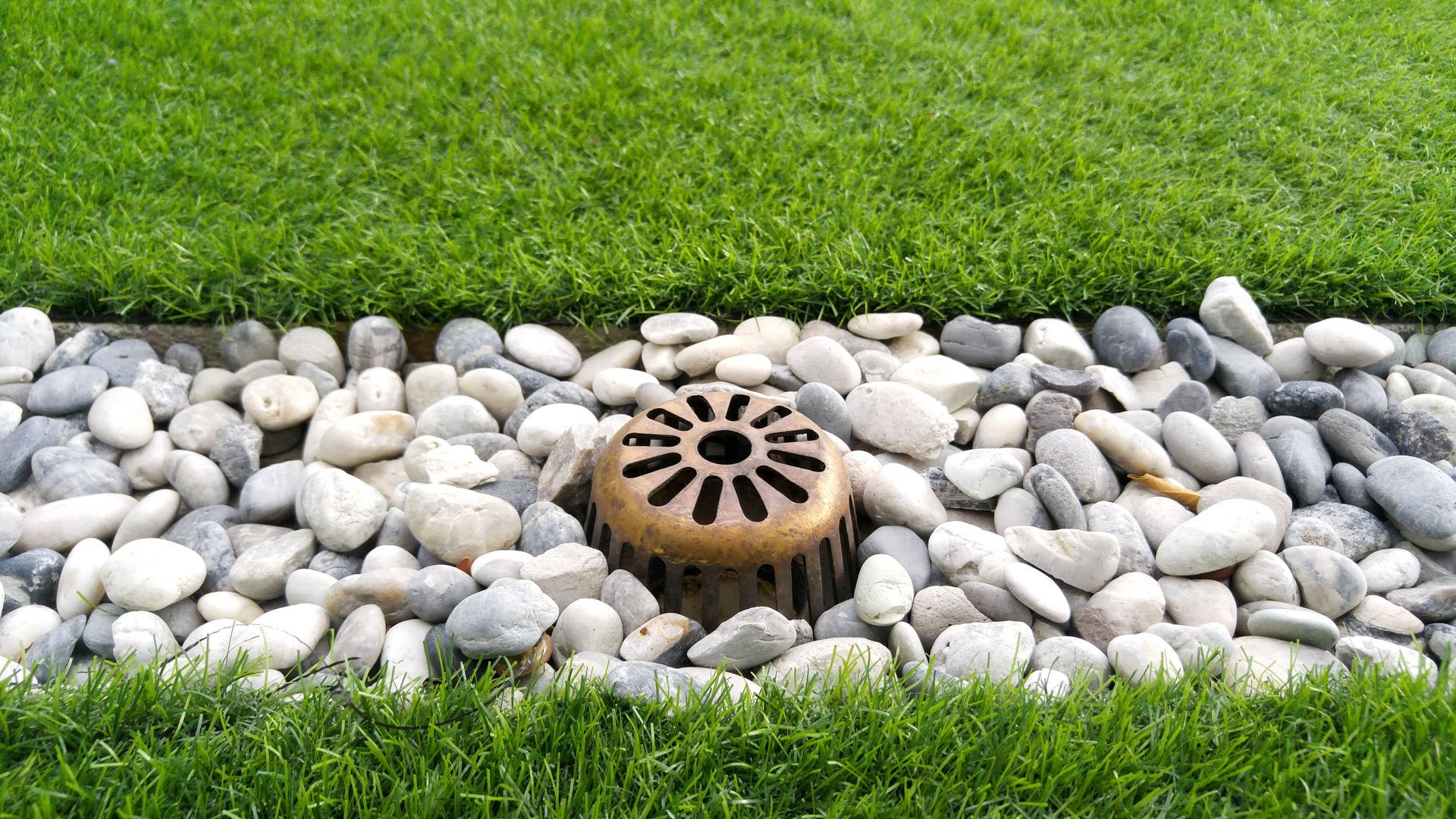
Inadequate drainage is one of the most common reasons lawns remain saturated. When water lacks a clear path away from the yard, it settles in low areas and lingers long after rainfall or irrigation ends. Over time, this weakens the grass roots and creates muddy, uneven ground that often requires hardscaping to permanently resolve. Older properties often rely on outdated drainage methods, while newer homes may suffer from poor grading. Without sufficient slope or underground drainage components, water remains trapped near the surface. Integrating drainage improvements with hardscaping features helps correct these flaws at the source. Hardscaping works alongside drainage solutions such as French drains or subsurface piping. Walkways, patios, and retaining walls naturally guide water away from problem areas, reducing saturation while improving usability.
Soil Composition and Its Effect
Soil type directly affects how water behaves. Clay-heavy soil retains moisture for extended periods due to tightly packed particles, leading to prolonged saturation. Sandy soil drains quickly but may cause runoff instead of absorption. In both cases, hardscaping can help regulate water movement where soil limitations exist. Soil testing identifies texture and drainage capability, guiding appropriate solutions. While soil amendments may improve moderate issues, severely waterlogged areas benefit most from structural hardscaping interventions such as raised beds, retaining walls, and defined borders. Poor soil management often leads to erosion. As water moves across unstable ground, it strips away topsoil and worsens drainage. Retaining walls used in hardscaping stabilize soil while supporting substantial weight and preventing further damage. According to This Old House, a 15-foot-long wall that is four feet tall can support up to 20 tons of wet soil, making it an effective solution for reinforcing compromised landscapes.
Excessive Rainfall
Frequent or intense rainfall overwhelms soil absorption capacity. Once saturated, water has nowhere to go, resulting in standing water that damages grass and limits outdoor use. Thoughtfully planned hardscaping features help manage heavy rainfall more effectively. Hardscaping solutions such as rain gardens and permeable surfaces manage rainfall by slowing water movement and allowing it to infiltrate gradually rather than pooling or running off. Rain barrels and water collection systems often complement hardscaping designs, further reducing lawn saturation while offering sustainable reuse options.
Land Topography
Uneven land naturally directs water into low areas, creating persistent pooling zones. Sloped properties may funnel runoff into specific sections of the yard, compounding saturation issues with each storm. Hardscaping addresses these challenges by reshaping and stabilizing the terrain. Grading reshapes land to promote controlled water flow away from vulnerable areas. Retaining walls and terracing, both common hardscaping techniques, convert slopes into stable, level spaces that distribute moisture evenly and reduce erosion. Hardscape features such as paths and patios double as subtle drainage guides, managing runoff without sacrificing visual appeal.
Impact of Local Climate
Climate affects how often and how severely waterlogging occurs. Regions with high rainfall require robust drainage strategies, while areas with freeze-thaw cycles need durable materials. Climate-aware hardscaping improves long-term performance. Permeable pavers help regulate runoff in wet climates, while water retention features support drier regions. Seasonal considerations influence material selection and installation techniques used in hardscaping projects.
Designing with climate awareness improves durability, reduces maintenance needs, and extends the lifespan of hardscaping features.
Introduction to Hardscaping
Definition and Key Concepts
Hardscaping involves using non-living materials such as stone, concrete, brick, and wood to create structure within a landscape. Unlike plants and turf, hardscaping elements provide stability, define space, and manage water flow.
Beyond appearance, hardscaping supports functionality. It controls erosion, improves drainage, and creates usable areas that withstand environmental stress. Successful hardscaping designs balance structure with natural elements, allowing built features and greenery to complement one another.\
Types of Hardscaping Features
Common hardscaping features include patios, walkways, retaining walls, steps, and driveways. These surfaces reduce soil compaction and direct foot traffic away from vulnerable areas. Retaining walls are particularly effective for waterlogged landscapes, stabilizing slopes while integrating drainage systems. Decorative channels and dry creek beds are also popular hardscaping options for managing runoff. Vertical elements such as fences and pergolas complete the landscape framework and enhance overall functionality.
Materials Used in Hardscaping
Material choice affects durability, drainage performance, and appearance. Natural stone offers strength and timeless appeal, while concrete pavers provide flexibility and affordability for hardscaping applications. Permeable pavers allow water to pass through joints into the underlying soil, reducing surface pooling. Sustainable materials continue to expand possibilities in modern hardscaping. Color, texture, and finish should align with surrounding features for a cohesive landscape.
Benefits of Hardscaping for Lawns
Hardscaping improves drainage efficiency, stabilizes soil, and limits erosion. Redirecting water supports healthier plant growth and extends outdoor usability. Functional spaces such as patios and walkways increase property value while reducing muddy conditions. These hardscaping additions expand living areas and improve daily enjoyment.
Modern hardscaping designs support sustainability through water conservation and reduced upkeep.
Common Misconceptions About Hardscaping
Some assume hardscaping makes yards feel harsh, but thoughtful design blends seamlessly with plants and natural elements. Balanced layouts maintain warmth and visual interest. Cost concerns often arise, yet hardscaping projects can be scaled and phased to suit different budgets. Strategic planning delivers long-term value. Properly designed hardscaping improves drainage rather than increasing runoff through permeable materials and integrated water management.
Evaluating Your Lawn’s Requirements
Assessing Drainage Issues
Identifying pooling areas and runoff patterns is essential before implementing hardscaping. Observing the lawn during rainfall reveals where water collects and flows. Existing drainage systems should be inspected for blockages or deterioration. Surface grading adjustments often enhance natural water movement alongside hardscaping features.
Tools such as soil moisture meters provide precise data for targeted planning.
Identifying Problematic Soil Conditions
Signs of soil trouble include standing water, thinning grass, and exposed roots. These indicators guide decisions on where hardscaping will be most effective. Structural solutions isolate saturated areas and stabilize soil. Retaining walls and terraces used in hardscaping create controlled environments that support healthier landscapes. Soil amendments may help moderate cases, but hardscaping offers consistent results for severe water issues.
Analyzing the Local Context and Climate
Local climate, vegetation, and surrounding structures influence design choices. Understanding these factors improves drainage performance and durability in hardscaping projects. Microclimates within a property may require tailored hardscaping solutions for shaded or sun-exposed areas. Climate-aware designs reduce maintenance demands and improve resilience.
Consulting With Landscape Professionals
Professionals assess site conditions, recommend materials, and coordinate drainage integration. Their experience strengthens the success of hardscaping installations. Collaboration leads to cohesive designs that address immediate concerns and long-term goals. Professional insight improves efficiency, durability, and overall project outcomes.
Setting Realistic Goals for Hardscape Integration
Clear goals guide successful projects. Homeowners should consider space usage, budget, and maintenance expectations when planning hardscaping. Prioritizing drainage and stability creates a strong foundation for future enhancements.
With proper planning, hardscaping transforms waterlogged lawns into structured, functional outdoor environments built to last. Contact Kling's Lawn & Landscape today to learn more.
Share On: